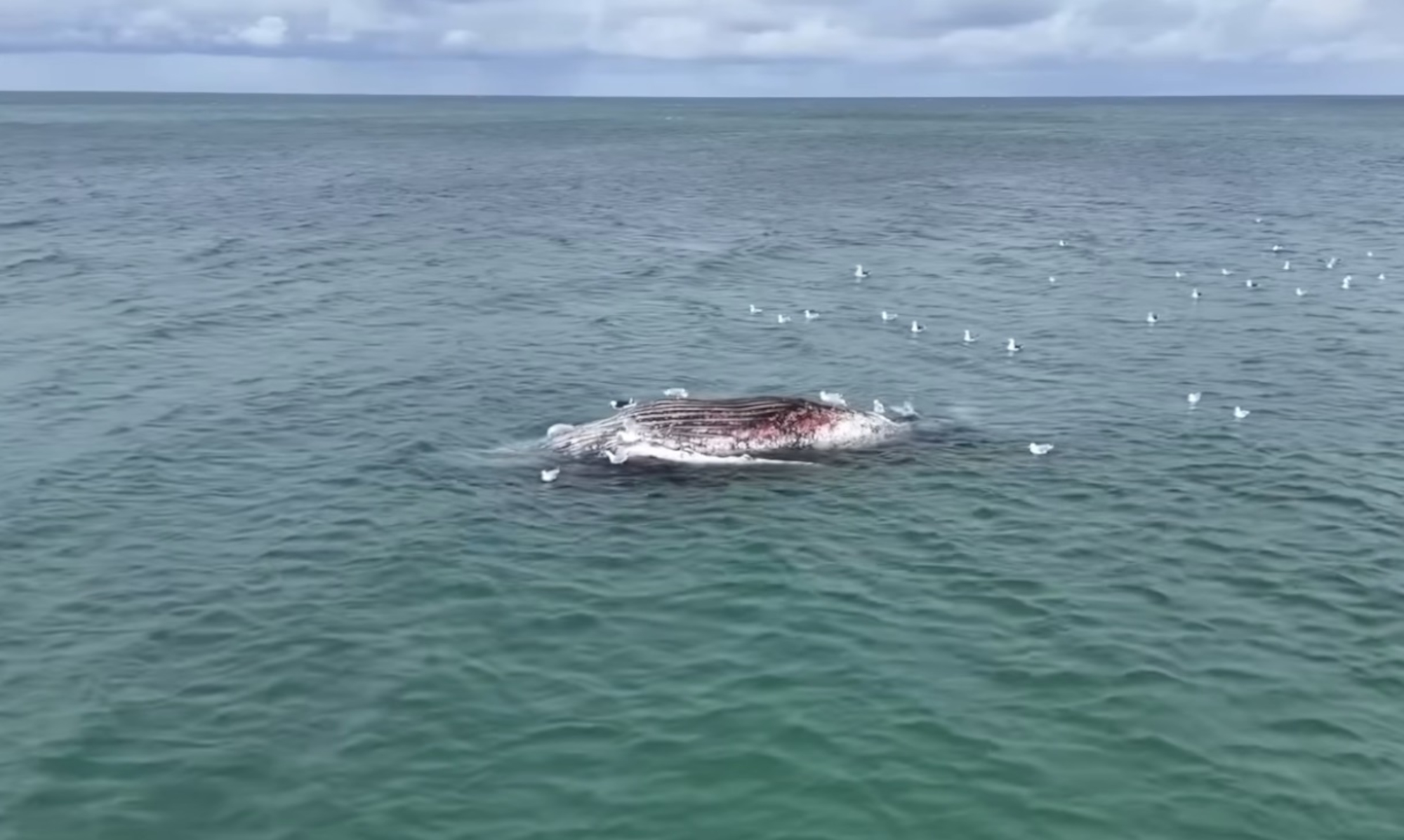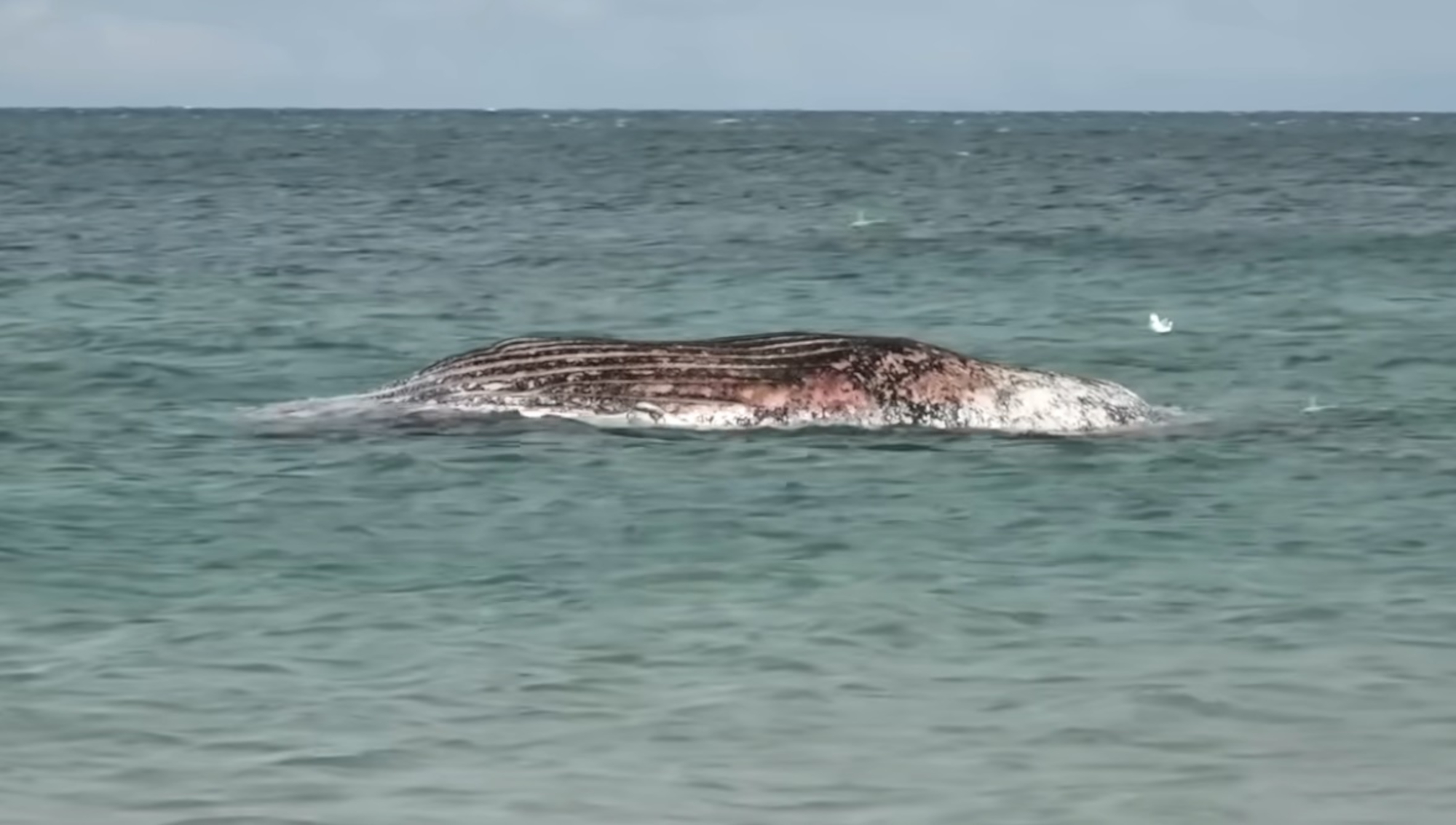
A controversial rescue operation to save a stranded whale that was later found dead is facing scrutiny over possible animal cruelty after revelations that the creature was battered against the steel walls of a barge transporting it to safety.
One of the operation's financial backers, Karin Walter-Mommert, even warned that the whale could end up as "fish fingers" as heavy seas sent it crashing against the barge's steel walls, while rescue organiser Jens Schulz feared the animal's death would become "the most expensive flop of all time" and prove critics right that amateurs had killed it through stupidity.
The humpback whale, nicknamed Timmy, had been stranded off the Baltic coast near Wismar, in the German state of Mecklenburg-Western Pomerania, before a privately funded rescue team transported it towards the North Sea at the end of April.
German prosecutors are examining hundreds of complaints connected with the whale's treatment, including allegations of animal cruelty during the rescue operation.
Now an investigation by German weekly newspaper Die Zeit, based on 13,000 internal messages, documents and accounts from participants, has raised disturbing questions about what happened during Timmy's final days.
The whale was repeatedly thrown against the steel walls of the barge as heavy seas battered the vessel during its journey towards the Danish North Sea.
According to accounts from crew members, the padding intended to protect the animal was inadequate, and a photograph subsequently showed an open wound on its mouth.
Karin warned in a frantic voice message that the whale could suffer fatal injuries if the team did not act.
She said: "Don't you understand? When the ship moves in heavy seas, he crashes against it. Then tomorrow you'll have fish fingers."
The operation had been launched after Timmy repeatedly became stranded along Germany's Baltic coastline, attracting widespread public attention and desperate efforts to save the animal.
But the decision to load the enormous mammal into a steel barge created another serious problem.
Timmy had entered the barge swimming forwards, but whales cannot swim backwards in the way needed to reverse out of such a confined space.
This left rescuers facing the challenge of getting the animal out again once they reached the open sea.
A first attempt to release Timmy on 1 May failed, with the whale repeatedly swimming back into the barge.
Rescuers also pulled on the animal's tail fin during attempts to free it.
According to whale rescuer Jeffrey Foster, the tugboat Robin Hood was even used to secure the whale by its tail fluke with hoses.
Internal communications uncovered by Die Zeit also suggest disagreements within the rescue team over whether to continue the operation.
Organiser Jens appeared concerned about the public consequences of abandoning the mission.
He wrote: "If we release him there tomorrow, it will be the most expensive flop of all time, and all the critics will have been right that a stupid bunch of amateurs killed the whale through stupidity."
The whale was eventually released on the morning of 2 May, but just 12 days later its body was discovered near the Danish island of Anholt, between Denmark and Sweden.
The precise cause of death remains unknown, with Danish examinations unable to establish definitively what killed the animal.
It is also unclear whether the injuries sustained during the rescue operation contributed to its death.
The revelations have prompted renewed scrutiny of the private rescue initiative and the decisions made by those responsible for transporting the animal.
German prosecutors in Schwerin had already received hundreds of criminal complaints and other submissions concerning Timmy.
In September, prosecutors confirmed they were examining a mid-three-figure number of submissions for indications of criminal offences, including possible violations of animal welfare and nature conservation laws.
Some complaints concerned the transportation of the whale, while others related to allegations that authorities had failed to help it.
Veterinarian Dr Kirsten Toennies, who participated in the operation, has challenged the newspaper's account and defended the involvement of qualified specialists.
Speaking on a podcast, she said: "I'm a little shocked."
Kirsten criticised the suggestion that the operation had been conducted by inexperienced rescuers, saying seven whale experts had been involved.
She also disputed the seriousness of the reported mouth injury, arguing that a wound as severe as suggested should have been clearly identified during the post-mortem examination.
However, she acknowledged that the whale had been exposed to dangerous conditions and that the protective padding could have been better.
She said: "Afterwards, though, things became calmer again. And on Saturday morning the weather was such that he was no longer being thrown around inside. So the danger no longer existed."
Mecklenburg-Western Pomerania's agriculture minister Till Backhaus, who had allowed the privately organised rescue attempt to proceed, expressed shock at the reported injuries.
Asked by Die Zeit whether he would work with the same rescue initiative again, Till replied: "Absolutely not."
Whether the operation hastened Timmy's death remains unresolved.
(Newsflash)