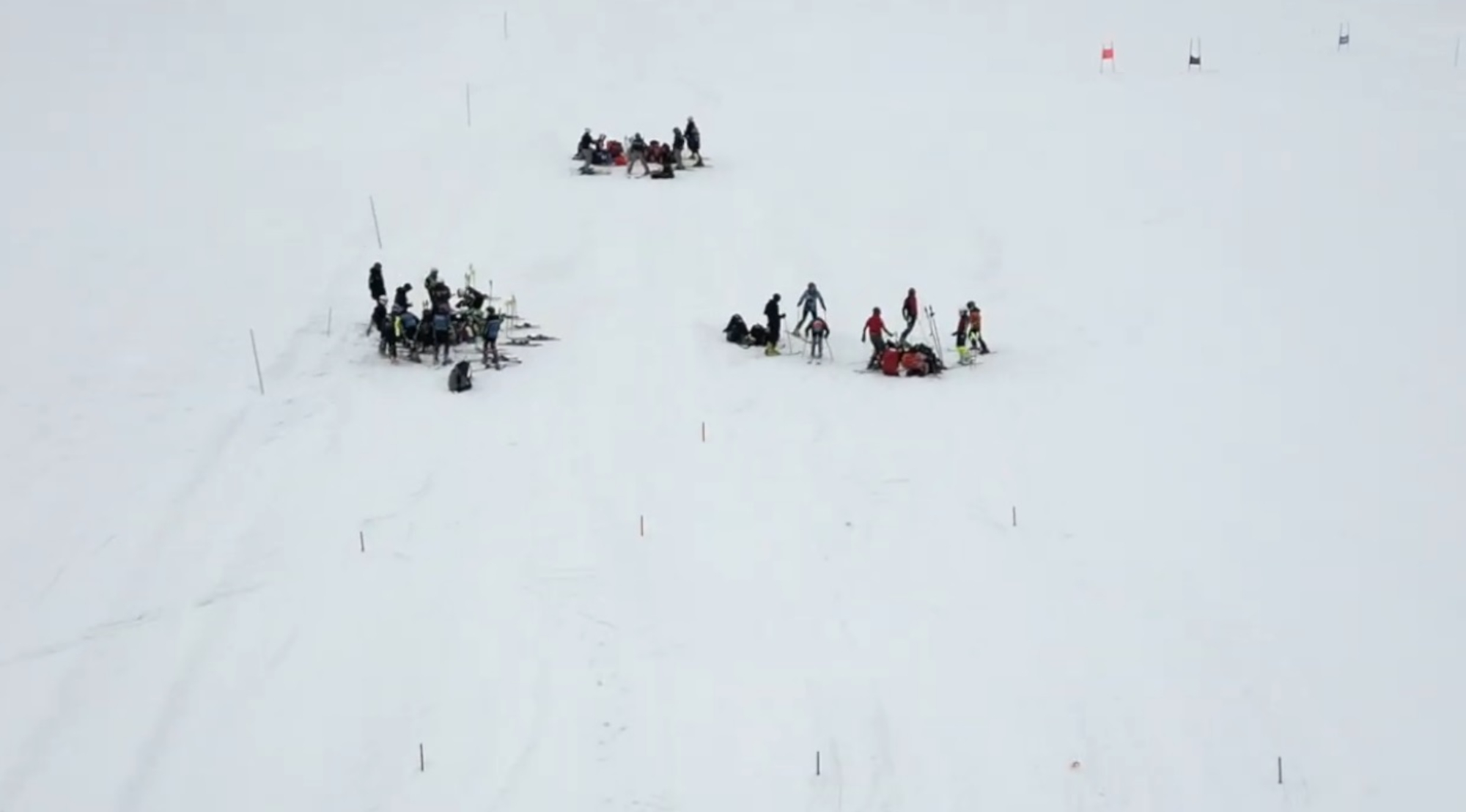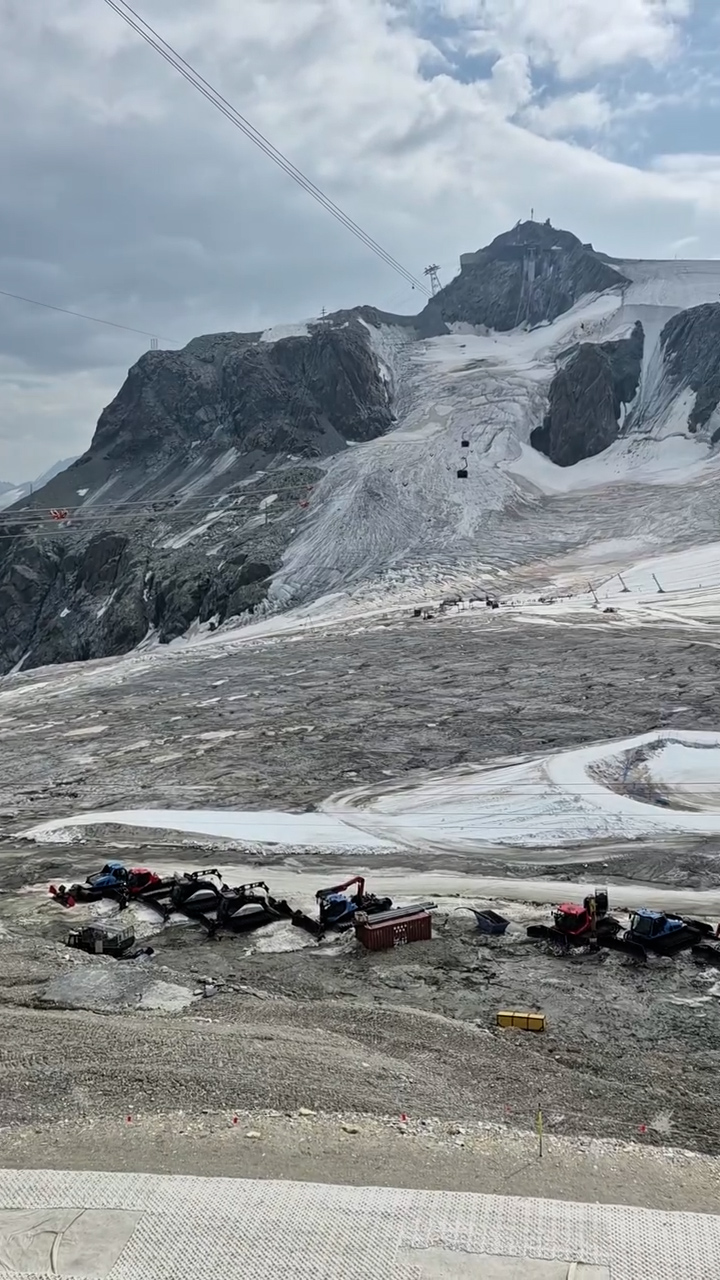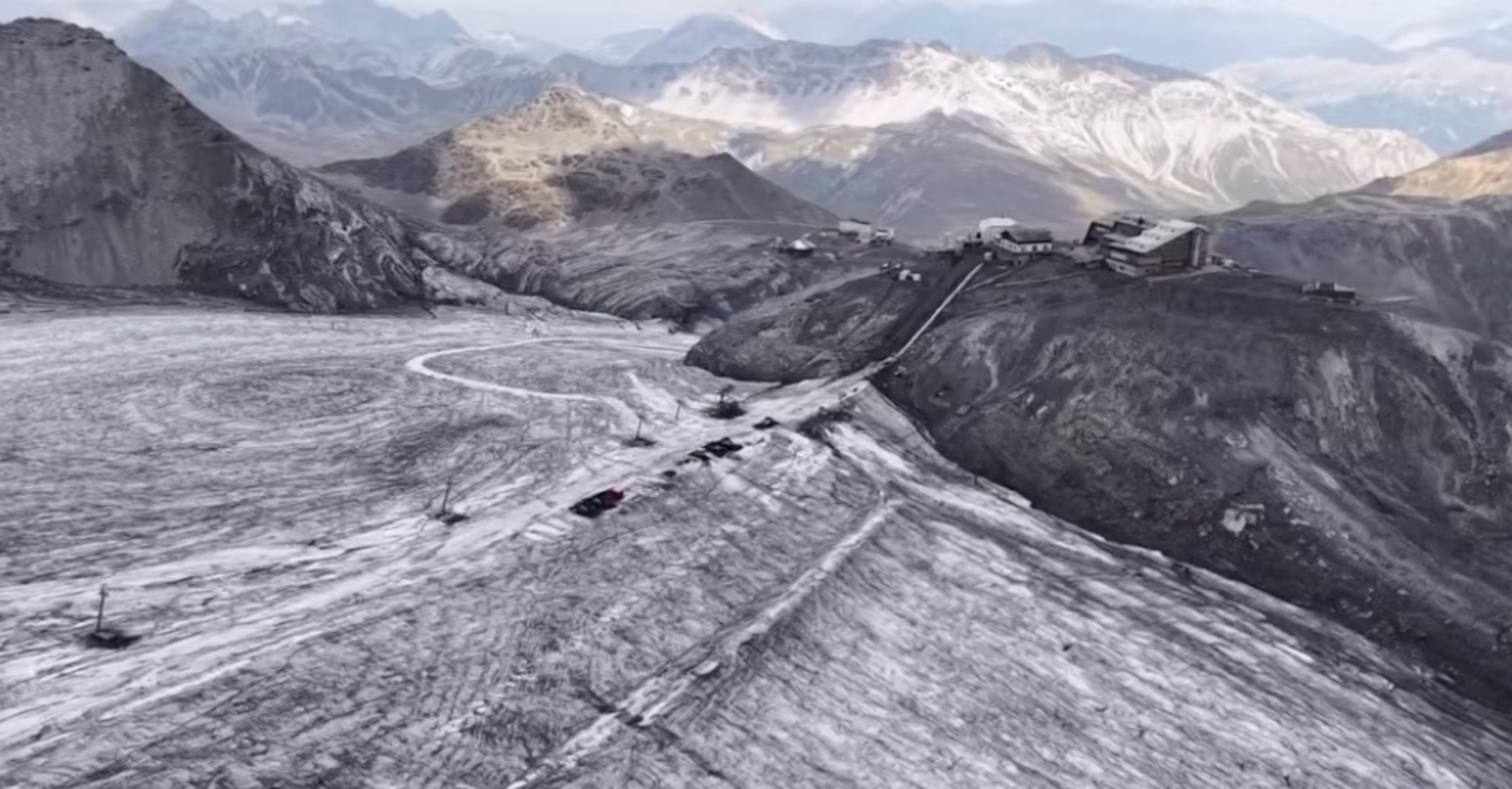
Europe's last major high-altitude summer ski resort has been forced to close its pistes after persistent heat left the Stelvio glacier so reduced in size that it is unable to guarantee decent skiing conditions.
Stelvio Pass, in northern Italy between South Tyrol and Lombardy, shut its summer ski operation on 15th August after unusually high temperatures, a lack of overnight freezing and frequent thunderstorms damaged the condition of the glacier.
The Stelvio glacier normally attracts world-class Alpine skiers preparing for the winter season, making the closure a major blow to one of Europe's best-known summer training grounds.
The resort normally operates from May to November, with more than 20 kilometres of pistes stretching between the 2,758-metre (9,050- foot) Stelvio Pass and the 3,450-metre (11,320-foot) Monte Cristallo.
Operators described the closure as a "painful but necessary decision" after what they said had been persistent heatwaves even at high altitude.
A statement from the company running the Stelvio lifts said: "These factors do not allow us to guarantee the usual standards of quality and, above all, safety required for summer skiing."
The absence of overnight cooling and refreezing meant the snow cover was no longer freezing sufficiently during the night, while frequent thunderstorms further compromised the glacier.
The extraordinary warmth has also been recorded at other high-altitude locations in the Italian Alps, with media reporting temperatures of 17 degrees Celsius at the Forni Glacier at more than 2,000 metres (6,562 feet)and 9 degrees Celsius at Passo Marinelli at around 3,000 metres (9,843 feet).
The Stelvio glacier normally attracts world-class Alpine skiers preparing for the winter season, making the closure a major blow to one of Europe's best-known summer training grounds.
The shutdown came after several other Alpine resorts were also forced to suspend summer skiing.
Zermatt in Switzerland halted operations at the end of July, with footage filmed there on 31st July showing the snow-free mountain landscape and providing a stark picture of the conditions affecting the high Alps.
Saas-Fee in Switzerland subsequently stopped summer skiing in early August, while Les 2 Alpes in France also closed.
Austria has also seen closures at the Hintertux glacier, Pitztal and Soelden, while Italy's Val Senales summer ski area was also affected.
Despite the closure of the pistes, the lifts at Stelvio remain operating for visitors travelling up to the glacier.
The operators said they would continue monitoring the situation and hoped falling temperatures could improve the condition of the glacier enough for skiing to resume.
Stelvio had already suffered a major heat-related interruption in July 2022, when extreme temperatures forced summer skiing to stop before the slopes eventually reopened after around two months.
Roberto Dinale, a hydrologist from Bolzano, said the latest conditions showed the difficulty of maintaining summer skiing in the Alps.
He told local media: "I don't think this can be maintained sustainably."
He said operators could attempt to keep skiing going through artificial measures, but added: “It is not what nature is currently providing on our mountains.”
(Marija Stojkoska/Newsflash)